

Everything About Hair Transplantation: A Comprehensive Guide
Hair loss and baldness can be a source of stress and lack of self-confidence for many people. Fortunately, modern medical solutions like hair transplantation are available to permanently solve this problem. In this blog post, we will provide detailed information about hair transplantation, examining what this procedure is, who it is suitable for, how it is performed, and its results.
What is Hair Transplantation?
Hair transplantation is the process of transferring grafts, taken from a donor area where hair follicles are dense, to bald or thinning areas. Grafts are typically harvested from the nape of the neck and behind the ears, then placed into the recipient area using microsurgical techniques.
Who is Hair Transplantation Suitable For?
Hair transplantation can be applied in the following situations:
- Genetic hair loss (male pattern baldness)
- Hair loss or thinning
- Hair loss due to trauma such as burns or accidents
- Increasing hair density for aesthetic reasons
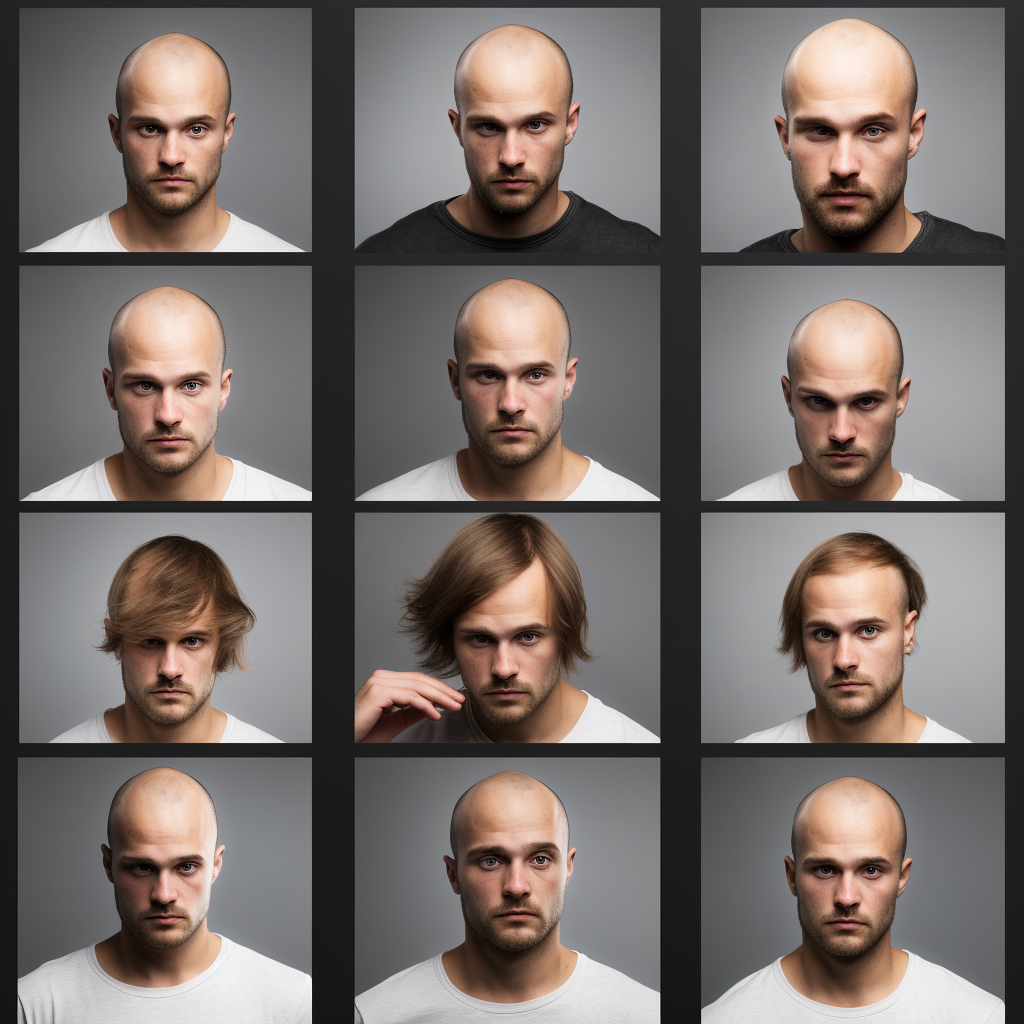


How is Hair Transplantation Performed?
Hair transplantation is generally performed under local anesthesia. The procedure consists of two main stages:
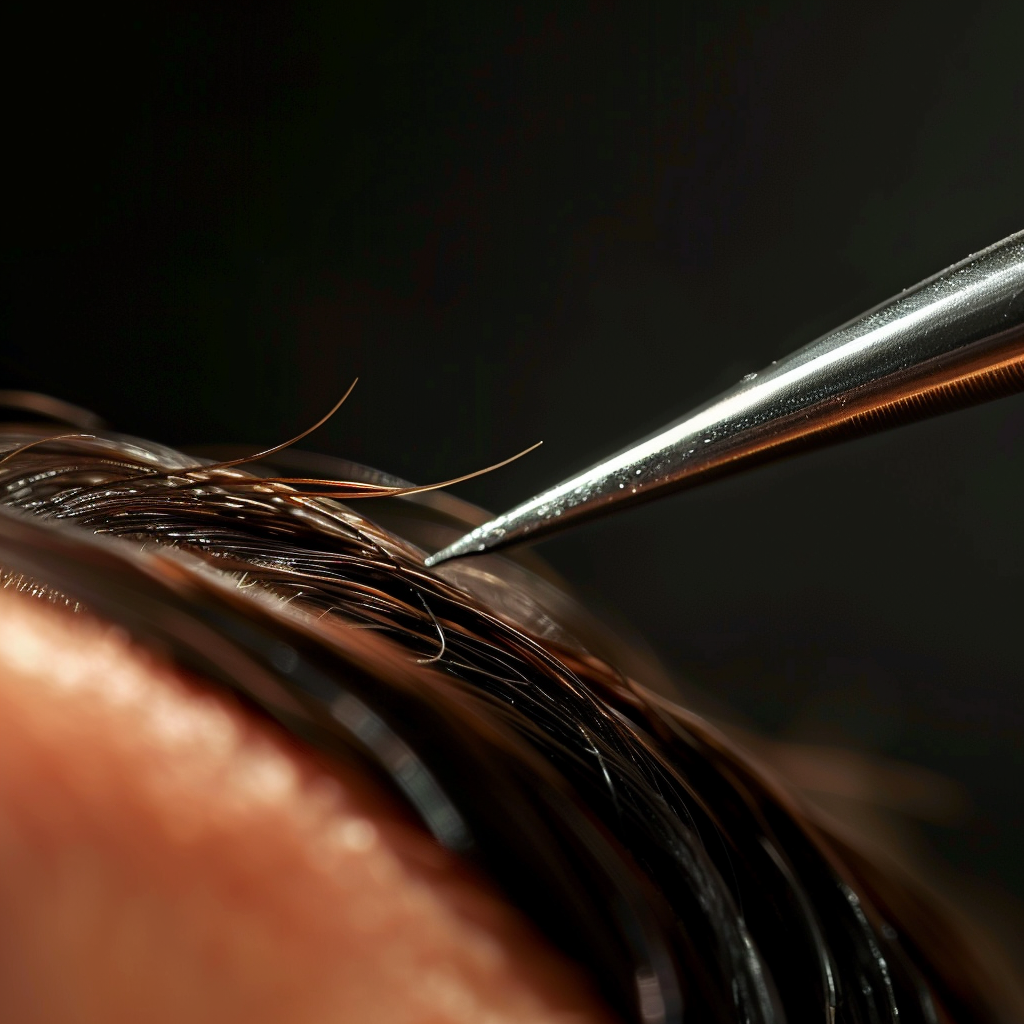
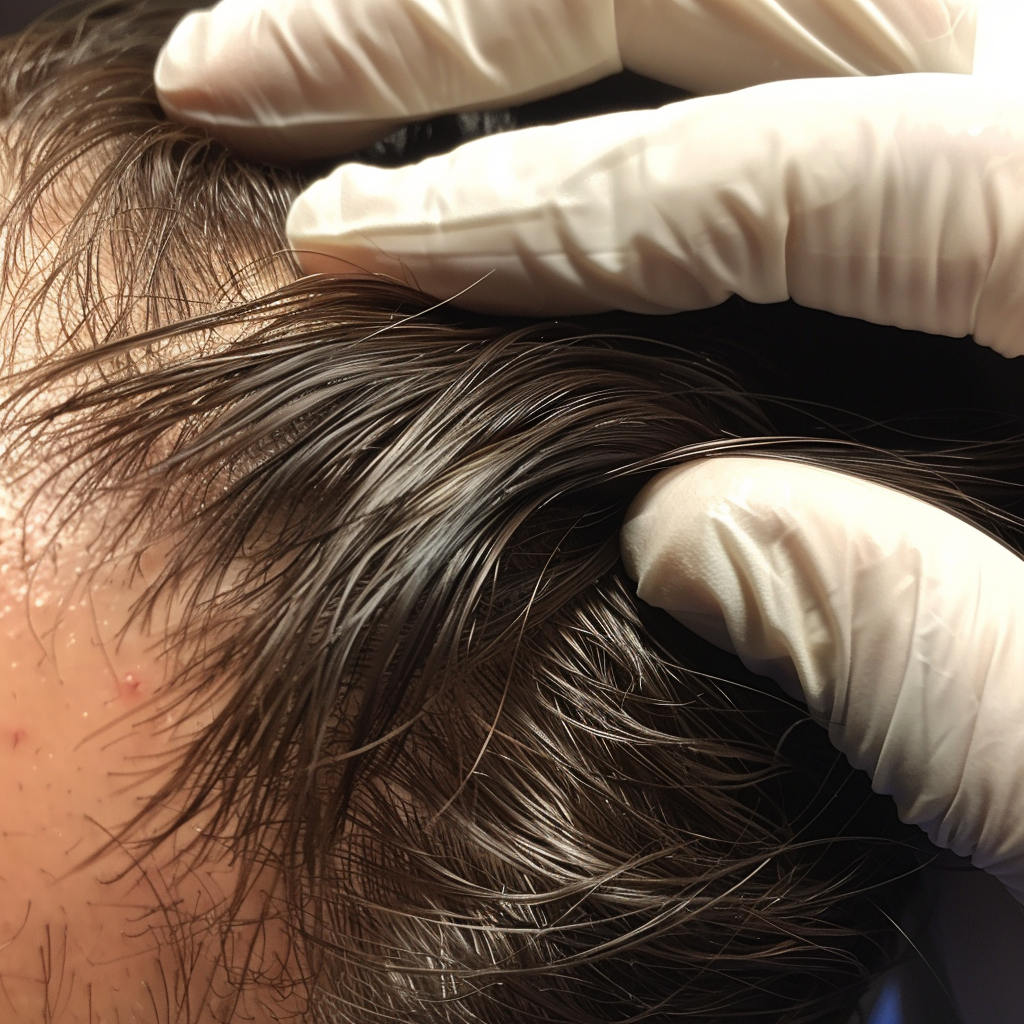
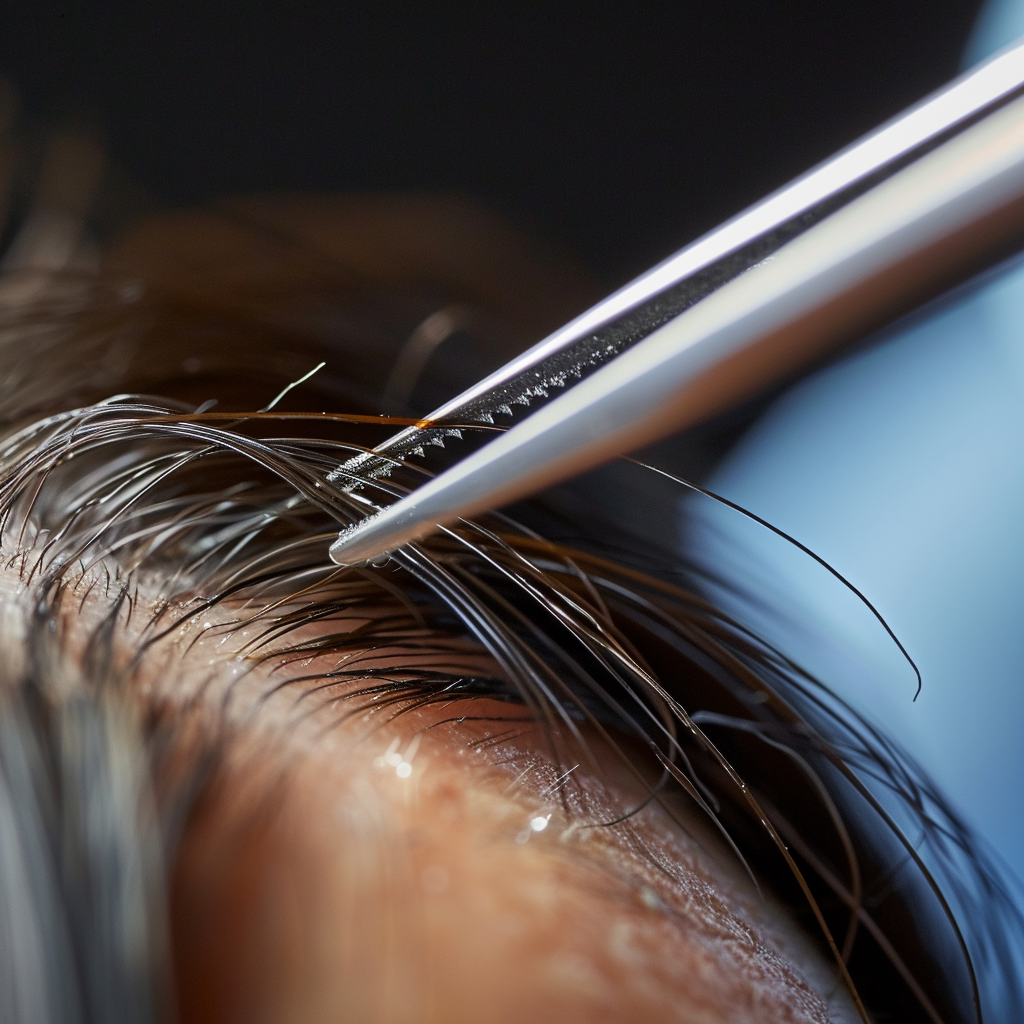
- Graft Harvesting: Grafts containing hair follicles are carefully harvested from the donor area. There are two primary graft harvesting methods: FUE and FUT.
- Graft Implantation: The harvested grafts are placed into the designated channels in the recipient area. This process is meticulously performed according to the natural hair growth direction and density.
Hair Transplantation Results:
Hair transplantation is a permanent solution. The transplanted hairs shed after a few months, and then new, healthy hairs begin to grow. Results are typically fully visible within 6 to 12 months.
Things to Consider Before and After Hair Transplantation:
- It is important to follow your doctor's instructions before the procedure.
- In the first few days after hair transplantation, it is necessary to take some special precautions to protect the transplanted area and accelerate healing.
- It is important to regularly use the medications and lotions recommended by your doctor.
- The full recovery period is several weeks. During this time, it is necessary to avoid strenuous exercise and excessive sweating.